


-

Add: HeBei ShengShi HongBang Cellulose Technology CO.,LTD.
-

Email
13180486930@163.com -

CONTACT US
+86 13180486930




Fiberglass for Concrete Mix Enhancing Strength and Durability Concrete is one of the most widely used construction materials in the world, known for its strength and versatility. However, it does have its limitations, such as brittleness, susceptibility to cracking, and overall weight. To tackle these challenges, the incorporation of fiberglass into concrete mixes has emerged as a game-changing solution that boosts performance while maintaining the same traditional characteristics of concrete. What is Fiberglass? Fiberglass, or glass fiber, is a reinforced plastic material composed of fine fibers of glass. It is known for its high strength-to-weight ratio, excellent resistance to corrosion, and impressive insulation properties. When added to concrete mixes, fiberglass can significantly enhance the material's overall performance, making it a popular choice in various construction applications. Benefits of Fiberglass in Concrete Mixes 1. Improved Tensile Strength One of the most significant advantages of incorporating fiberglass into concrete is the enhancement of tensile strength. Traditional concrete tends to be strong in compression but weak in tension, which can lead to cracks and structural failures. By adding fiberglass, the tensile strength increases, making the concrete more resistant to stress and load-bearing requirements. 2. Reduced Shrinkage and Cracking Fiberglass acts as a reinforcement that helps to minimize shrinkage during the curing process. This reduction in shrinkage translates to a decreased risk of cracking, which is often a common issue in standard concrete mixes. By effectively controlling cracking, fiberglass-reinforced concrete extends the lifespan of structures and reduces the need for repairs. 3. Lightweight Composition The lightweight nature of fiberglass compared to traditional reinforcement materials like steel means that concrete mixes can maintain lower overall weight. This can reduce the structural load on foundations while still providing the necessary strength and durability. Such lightweight composition is particularly advantageous in projects where load restrictions are critical. fiberglass for concrete mix 4. Enhanced Durability Fiberglass is naturally resistant to corrosion and chemical attack, which can often plague concrete exposed to harsh environmental conditions. By incorporating fiberglass, the resulting concrete becomes more robust against moisture penetration, temperature fluctuations, and aggressive chemicals, making it ideal for use in areas such as coastal regions, industrial sites, or places with severe weather. 5. Cost-Effectiveness While there may be initial costs associated with adding fiberglass to concrete mixes, the long-term savings are significant. The durability and reduced maintenance associated with fiberglass-reinforced concrete often lead to lower repair and replacement costs over the lifecycle of a structure. Additionally, the efficiency of construction and the potential reduction in material usage can further offset expenses. Applications of Fiberglass-Reinforced Concrete The application of fiberglass in concrete mixes spans across various sectors including residential, commercial, and industrial construction. From precast concrete products to architectural elements, such as facades and sculptures, fiberglass enhances the performance and aesthetic appeal of concrete structures. One notable application is in the construction of pavements and flooring systems. The addition of fiberglass not only improves the structural integrity but also provides slip resistance, ensuring safety in both industrial and commercial environments. Moreover, the use of fiberglass in thin overlays and shotcrete processes shows significant promise, allowing for quick application with high durability. Conclusion In conclusion, the integration of fiberglass into concrete mixes presents a wealth of benefits that significantly enhance the material's performance. Improved tensile strength, reduced shrinkage, enhanced durability, and lightweight composition make fiberglass-reinforced concrete an excellent choice for modern construction projects. As the construction industry continues to evolve, adopting innovative materials like fiberglass will be crucial in meeting the demands for stronger, more resilient, and cost-effective building solutions. By embracing these advancements, engineers and architects can create structures that not only stand the test of time but also contribute to more sustainable development practices.
- 40000tons

Production
- 20+years

Experience
- 5000+㎡

Acreage

-
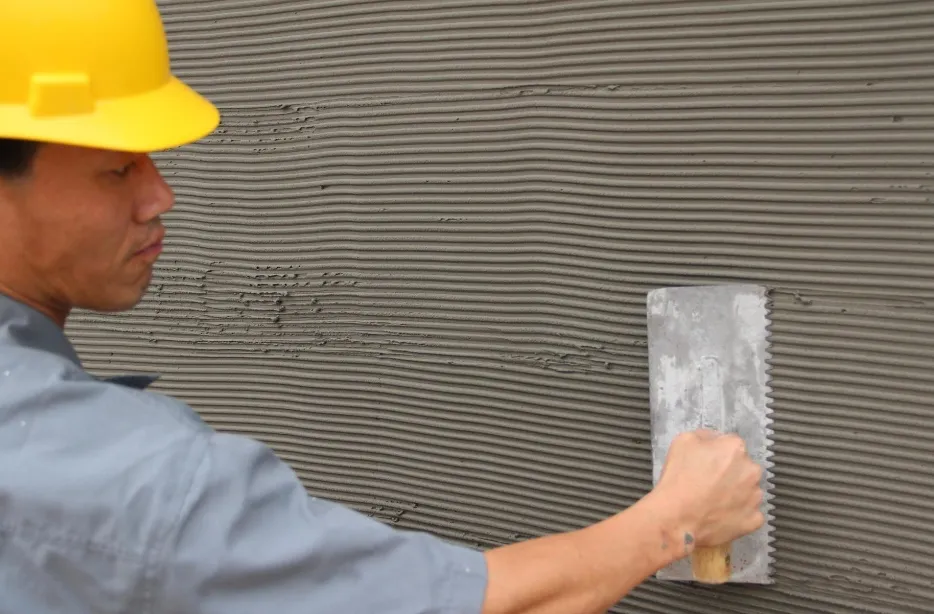
Understanding the distinctions between HPMC K and E series is critical for various industries, such as pharmaceuticals, food, and construction, where these compounds play pivotal roles. Hydroxypropyl methylcellulose (HPMC) is a versatile material with broad applications due to its unique properties. Both K and E series differ primarily in their methoxy and hydroxypropyl content, impacting their solubility, viscosity, and gelation properties, which ultimately influence their suitability for specific applications. The K series of HPMC is characterized by higher methoxy content compared to the E series. This feature significantly affects its water solubility, gelling temperature, and viscosity. Due to its distinct solubility profile, the K series is often favored in applications requiring rapid dissolution in cold water, making it particularly useful in pharmaceutical industries for sustained-release formulations. For instance, in oral drug delivery systems, the release rate of active ingredients can be meticulously controlled using K series HPMC, providing consistent therapeutic effects. Its higher gelation temperature is suitable for formulations that require stability at higher temperatures, reducing the risk of premature gelation during processes such as granulation and tableting. Conversely, the E series contains a higher proportion of hydroxypropyl groups, influencing its viscosity and thermal gelation properties. This series is known for forming viscous solutions at lower concentrations, which is advantageous in applications where higher viscosity is needed without adding excess material. Its lower gelling temperature and increased swellability make it ideal for use in environments that require quick formation of a gel-like texture, such as in food products. The E series can enhance the texture and thickness of sauces and dressings, providing a desirable mouthfeel and stability over extended shelf-life periods. difference between hpmc k and e series In the construction industry, the adhesive and film-forming properties of both HPMC K and E series are exploited in applications like tile adhesives and cement renders. The K series, with its rapid solubility, is often utilized in formulations that require quicker setting times. It improves workability and open time, ensuring that construction professionals have enough time to adjust and position materials accurately, while still benefiting from strong adhesion once cured. The E series, due to its ability to form thick gels, is valuable in applications demanding high water retention and resistance to sagging during drying. Professionals across diverse industries must recognize that the selection between HPMC K and E series should be guided by specific application requirements such as solubility, viscosity, gelling temperature, and regulatory compliance. Understanding these properties and their implications for product performance can lead to optimized formulations that meet stringent industry standards and consumer expectations. Engaging with experienced suppliers who can provide detailed technical specifications and support is essential for making informed decisions . Furthermore, pilot testing and in-situ evaluations remain prudent practices to validate the suitability of HPMC grade selections under real-world conditions, ensuring that the final product delivers reliable performance. The nuances between HPMC K and E series underscore the importance of meticulous selection in achieving desired outcomes across varied applications. As industries continue to innovate, the adaptability and distinct characteristics of HPMC will likely contribute to novel uses, expanding its functional potential and reinforcing its integral role in modern material science.
-
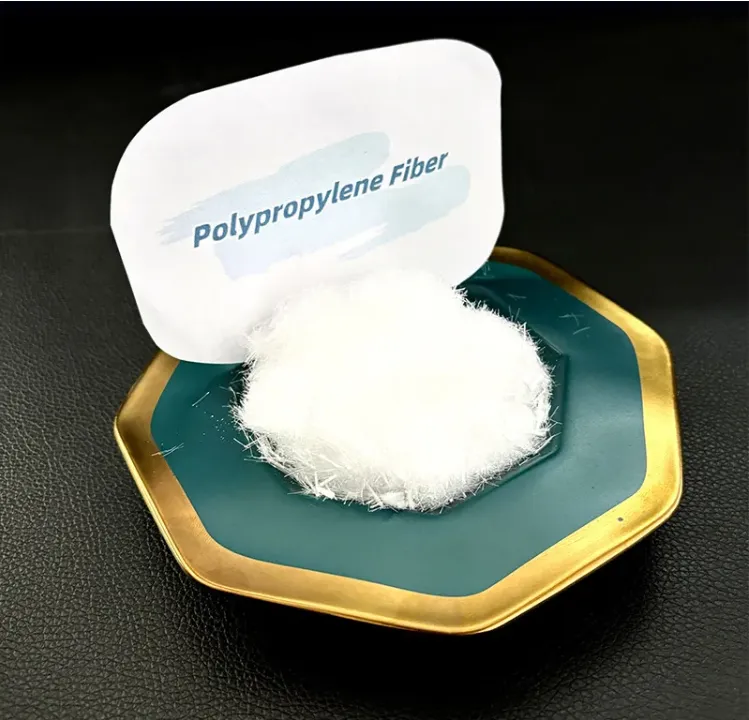
When it comes to pharmaceutical excipients that deliver on multiple facets of efficacy and safety, HPMC Dextran 70 stands out as a remarkable agent. Its unique properties make it indispensable in medical formulations, ensuring improved patient outcomes across various applications. The hype around HPMC Dextran 70 isn't unfounded; it is grounded in its unparalleled efficacy, scientific backing, and its progressive adoption in advanced therapeutic developments. What makes HPMC Dextran 70 an unrivaled choice in the pharmaceutical industry is its dual-component nature that fuses the benefits of both hydroxypropyl methylcellulose (HPMC) and Dextran 70. The synergy of these two components not only enhances the stability of drug formulations but also optimizes their delivery. Dextran 70, a glucose polymer, is known for its highly branched structure, which allows for superior plasma volume expansion and improves the suspension of pharmaceutical active ingredients. On the other hand, HPMC offers remarkable film-forming capabilities and controlled-release properties, making it an ideal choice for sustained and predictable drug dispersion. Experience with HPMC Dextran 70 among healthcare professionals highlights its efficacy across various formulations. It's hailed for its ability to form hydrogels that are pivotal in ocular applications, ensuring superior hydration levels and tear film stability. In this domain, the user experience has been overwhelmingly positive, with patients reporting prolonged relief and fewer side effects compared to other ophthalmic solutions. Such real-world applications underscore the excipient’s role in enhancing patient adherence and satisfaction . From an expertise standpoint, the composition of HPMC Dextran 70 has been a subject of extensive research and development. Chemists and formulators value its compatibility with other pharmacological agents, which allows it to be employed in diverse therapeutic areas ranging from ophthalmology to parenteral nutrition. The dextran component is particularly noteworthy for its rheological properties that facilitate the formulation of intravenous therapies with excellent shelf stability. This compatibility is key for pharmaceutical companies seeking to extend product lines while maintaining a high safety profile. hpmc dextran 70 In discussing the authoritativeness of HPMC Dextran 70, peer-reviewed studies and clinical trials abound. Empirical evidence points to its exceptional safety margin, evidenced by its hypoallergenic nature and minimal systemic absorption, rendering it ideal for sensitive applications. Regulatory bodies worldwide, including the FDA and EMA, have duly recognized its benefits, often recommending it for incorporation in complex formulations that require high precision in drug release kinetics. Trustworthiness of a pharmaceutical excipient cannot be overstated, and HPMC Dextran 70 has amassed a reputation for reliability and consistent performance. Manufacturers and formulation scientists trust it as a key ingredient that meets rigorous quality standards. Its versatility in enhancing solubility and bioavailability of poorly water-soluble drugs further establishes its role in improving therapeutic efficacy across a spectrum of medical conditions. In essence, HPMC Dextran 70 isn't merely an excipient; it is a transformational agent in drug formulation. Its ability to integrate smoothly into diverse formulations makes it an invaluable asset in pharmaceutical innovation, aligning with current trends towards personalized medicine and targeted delivery systems. As more pharmaceutical entities embrace this versatile excipient, it is poised to significantly elevate the standards of healthcare solutions delivered worldwide. Ultimately, embracing HPMC Dextran 70 in pharmaceutical development is not just a choice but a commitment to advancing healthcare delivery, setting the bar high for quality, innovation, and excellence in patient care.
advantages
-

200000 Viscosities
Excellent product
We can produce pure products up to 200,000 viscosities
-

40000 tons
High yield
We don’t stop production all year round, and the annual output can reach 40,000 tons
-

24 hours
Quality service
We provide 24-hours online reception service, welcome to consult at any time
———— Inquiry Form
Schedule A services

-
 pp_fiber_manufacturers
Oct . 25, 2025
Navigating the ever-evolving landscape of recycled rubber powder pricing demands a nuanced understan -
 beton_serat_pp
Oct . 25, 2025
Understanding the properties and applications of HPMC K15M viscosity is critical for industries rang -
 macro_fiber_reinforced_concrete
Oct . 25, 2025
6-Hydroxyethyl starch (6-HES) is a potent and invaluable tool in the medical field , particularly in


